Hey everyone, let’s cut to the chase: if you’ve ever stared at a lake on a super sunny day, squinted so hard your cheeks hurt, and wished you could just see clearly, polarized sunglasses were probably the fix. But if you’re like a lot of the folks who hit me up on Instagram or stop by our little pop-up, you’ve asked the same question: are polarized sunglasses actually better than regular non-polarized ones? Full transparency here—I’ve been in the sun gear game for 8 years, so I’ve tested, messed up, and talked to way too many customers to not have solid thoughts on this. Let’s ditch the jargon, skip the AI buzzwords, and break this down like we’re chatting over iced coffee after a long day out. Sunglasses
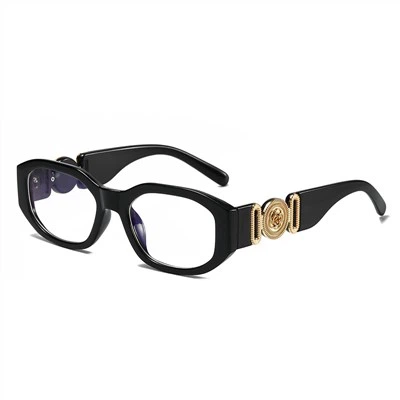
First, let’s get on the same page about what each type actually does, no textbook definitions. Non-polarized sunglasses are the basic ones, right? They just have a tinted layer that blocks some visible light and cuts down on overall brightness. Think of them like a dimmer switch for your whole field of vision—bright, but you still get that glare bouncing off things. Polarized sunglasses, though? They don’t just dim light—they have that extra special filter (it’s a thin layer of plastic with tiny, aligned molecules, like horizontal slats) that blocks horizontal light waves. Wait, what does that mean in real life? Glare. The annoying, blinding glare bouncing off water, roads, car windshields, even snow? That glare is made of horizontal light waves, and polarized lenses shut that stuff right out. That’s the big difference, and it’s not just a “luxury” thing— it’s a game-changer for how you see, and more importantly, how you feel when you’re outside.
Let’s talk about the times polarized actually shines, because that’s where the real benefits are. I had a customer last summer—she was a fisherman up in Minnesota, kept coming back saying our non-polarized pairs were useless on the lake. Once she grabbed a polarized pair, she texted me a pic of her catch 20 minutes later, yelling that she’d never seen fish that clearly before. That’s not a flex—when glare’s bouncing off water, it’s like looking at a mirror instead of what’s below it. Polarized lenses strip that mirror away, so you can see depth, details, hazards that regular sunglasses just wash out. Same goes for driving: that glare off the asphalt on a 90-degree day? It makes it hard to see road lines, construction cones, even cars ahead. I’ve had a few truck drivers order bulk pairs for their fleets, and they say their reaction time to hazards dropped so much, they swear it’s like driving at 50% brightness without the strain. And let’s not forget winter—glare off fresh snow is basically concentrated light, like staring at a giant white lightbulb. I grew up skiing in Colorado, and I can promise you, trying to carve turns with non-polarized shades is a surefire way to eat snow (trust me, I’ve done it). Polarized lenses cut that snow glare so you can see the bumps and patches that would send you flying.
But wait—polarized isn’t perfect, and I won’t lie to you. The biggest con? That weird LCD screen effect. You know when you wear polarized glasses and look at a phone screen, or a dashboard, and it gets all wavy or disappears entirely? That’s because those screens also have polarizing filters, so they conflict. It’s super annoying when you’re trying to check a text or a GPS on a sunny day. And speaking of screens—airplane windows too! The polarized filter can mess with your view of the plane’s info screens, or even make the window tint look funky. Also, some people say polarized lenses make depth perception worse? Wait, no—actually, it’s more that they make certain things look flatter, because they block some of the subtle light reflections that help your brain judge depth. I’ve had a few photographers complain that polarized shades mess with their ability to focus on close-up details, but to be fair, that’s a niche use. And let’s not sleep on the price—polarized lenses cost more to make, so those pairs are usually $20-$50 more than non-polarized, which is a big chunk for someone just grabbing a cheap pair for a beach trip.
Now, non-polarized sunglasses—they’re not useless, promise. There are totally times they’re the better pick, and I won’t steer you wrong. For example, if you’re just running to the corner store, grabbing mail, or hanging out in the backyard for 10 minutes? You don’t need polarized. It’s overkill. Also, if you’re working with electronics—like a graphic designer who’s editing on a screen all day, or a mechanic who needs to read tiny gauges on heavy machinery? Polarized glare on screens can actually mess with your work, so non-polarized is the call there. And let’s be real—if you’re buying a $10 pair of sunglasses for a music festival where you’re probably gonna lose them by the end of the night? Spending extra on polarized just doesn’t make sense. Non-polarized still blocks harmful UV rays, by the way—wait, hold on, I need to correct a huge myth right here. A lot of people think polarized = UV protection, and non-polarized doesn’t. That’s 100% wrong. Both types should block 100% of UVA and UVB rays— that’s a legal requirement in most places for sunglasses sold as eye protection. The only difference is the glare layer, not the UV block. So don’t let anyone sell you a overpriced non-polarized pair that says “UV protected”—all good ones do.
Wait, let’s get into some real, customer-tested scenarios to make this concrete, because that’s what matters. Last month, we did a trade show with a group of construction workers. Half tried polarized, half non-polarized. The polarized crew said they could see rebar sticking out of concrete better, read their tape measures without squinting, and didn’t get headaches after a 6-hour shift in the sun. The non-polarized crew said they were fine for the first hour, but by midday, the road glare was making their eyes burn. Another test: beach trips. A mom of two told me she bought polarized for the whole family, and her 10-year-old no longer complains about eye fatigue at the sandcastle contest. For the record, we have polarized kids’ pairs too—we make those with flexible frames so they don’t break when the little ones drop them. The only time a mom skipped polarized was when her teen wanted a pair to wear to concerts, because they didn’t want the screen effect on their phone or stage monitors. That makes total sense.
I’ve also had a few skeptics come in, like a guy who swears polarized gives him headaches. Turns out, it’s not the polarization—it’s the tint. Some polarized lenses come in really dark tints, and if you’re used to lighter shades, that sudden darkness can strain your eyes temporarily. We always ask customers to test the tint in the store before buying, so that’s a quick fix. Another common complaint: if you wear polarized and look at a computer screen for long, your eyes get tired. Again, that’s not the polarization itself—it’s how the angle of the filter lines up with the screen. If you tilt your head a little, most of the time the waviness goes away. Super easy fix, no need to skip polarized altogether.
Now, let’s talk about when you should actually choose which one. My rule of thumb, after 8 years of this: if you’re spending more than 2 hours outside doing something active (driving, fishing, skiing, hiking, working outdoors), go polarized. The glare reduction saves your eyes from fatigue, and honestly, prevents headaches that make your whole day garbage. If you’re just running errands, going to a movie, or doing indoor stuff where you might look at screens all day, non-polarized is fine and cheaper. And for people who do a mix? We have pairs that have interchangeable lenses—switch out polarized for non-polarized depending on where you’re going. It’s a little extra, but way more versatile.
Wait, let’s address the elephant in the room: are polarized lenses actually better for your eyes long-term? I’ve checked with a few optometrist friends, because I never want to give bad advice. Their take: yes, because glare makes your eyes work way harder to adjust, leading to more squinting, more eye strain, even dry eyes over time. When you block that glare, your eyes relax, which is way better for long-term health. Non-polarized sunglasses still block UV, so they’re not bad, but polarized adds that extra layer of comfort that’s hard to beat. The only caveat? If you have certain eye conditions—like photophobia that’s triggered by light angle, not just brightness—def talk to your optometrist before buying polarized. They might recommend a different filter for your specific needs.
I also want to touch on a common mistake we see customers make: buying cheap polarized sunglasses. A lot of no-name brands slap a polarizing filter on cheap lenses that don’t block UV, or the filter is flimsy and wears out after a few months. That’s why we test every pair we sell—we send a sample of every new model to a lab to check UV protection and polarizing effectiveness. If the glare doesn’t cut down properly, we toss it. So when you buy from a reputable seller (ahem, wink wink), polarized is worth the extra cash, but don’t waste money on ones that skip the quality checks.
Let’s wrap this up, no fancy stuff. Polarized sunglasses are not “better” for every single person or every single situation, but they’re the clear pick for most people who spend time outside. They cut that blinding glare that makes your eyes hurt, help you see better, and prevent the kind of fatigue that ruins a day at the lake or a long drive. Non-polarized are totally fine for casual, screen-heavy days, and they’re cheaper, so if that’s your vibe, go for it. But if you’re someone who actually uses their sunglasses for more than just looking cool (not that looking cool isn’t important—we all want that), polarized is the way to go.

Now, a quick note for folks here who are part of other small businesses, or own a fleet, or just need bulk pairs for a crew—we’ve got you. We work with everyone from independent guides to local delivery companies, and we can hook you up with custom pairs, bulk discounts, and fast turnaround. If you’re tired of your team squinting through glare or your customers complaining that their shades aren’t cutting it, hit us up to chat about your needs. No pushy sales talk, just honest advice and quality gear that lasts.
Reading Glasses REFERENCES
American Academy of Ophthalmology. Polarized Sunglasses: What You Need to Know.
Optometry Times. The Science of Polarized Lenses and Visual Comfort.
Journal of Visual Communication and Image Representation. Effects of Polarized Filters on Screen Visibility and Eye Strain.
Yiwu Finewell Eyewear Co., Ltd.
Yiwu Finewell Eyewear Co., Ltd. one of the leading sunglasses manufacturers and suppliers in China. We warmly welcome you to buy or wholesale discount sunglasses from our factory. All customized products are with high quality and competitive price. Contact us for more details.
Address: Yiwu Wangshang Chuangye Building, No.407, Yongjun Road, Beiyuan Street, Yiwu City, Jinhua City, Zhejiang Province.
E-mail: Mariayang@ywfinewell.com
WebSite: https://www.finewelleyewear.com/
