As a supplier of off-grid solar power systems, I’ve witnessed firsthand the transformative potential of these systems in providing clean, reliable energy to remote areas. However, one factor that can significantly impact the performance of an off-grid solar power system is shading. In this blog post, I’ll explore the various ways shading can affect an off-grid solar power system and provide some practical tips on how to mitigate its effects. Off Grid Solar Power System

Understanding Shading and Its Types
Shading occurs when an object blocks sunlight from reaching the solar panels. This can be caused by various factors, such as nearby buildings, trees, mountains, or even clouds. There are two main types of shading: partial shading and complete shading.
- Partial Shading: This occurs when only a portion of the solar panel is shaded. Even a small amount of partial shading can have a significant impact on the overall performance of the solar panel. This is because solar panels are made up of multiple cells connected in series, and if one cell is shaded, it can reduce the output of the entire panel.
- Complete Shading: This occurs when the entire solar panel is shaded. When a solar panel is completely shaded, it stops producing electricity altogether. This can be a major problem for off-grid solar power systems, as it can lead to a significant reduction in power output and even cause the system to fail.
The Impact of Shading on Off-Grid Solar Power Systems
Shading can have several negative impacts on off-grid solar power systems, including:
- Reduced Power Output: As mentioned earlier, even a small amount of shading can significantly reduce the power output of a solar panel. This can lead to a decrease in the overall energy production of the off-grid solar power system, which can be a major problem for users who rely on the system to meet their energy needs.
- Uneven Power Distribution: Shading can also cause uneven power distribution within the solar panel. This can lead to hot spots, which are areas of the panel that become overheated due to the increased resistance caused by shading. Hot spots can damage the solar panel and reduce its lifespan.
- System Failure: In extreme cases, shading can cause the off-grid solar power system to fail. This can occur if the shading is severe enough to prevent the solar panels from producing enough electricity to charge the batteries or power the load.
Mitigating the Effects of Shading
While shading can have a significant impact on the performance of an off-grid solar power system, there are several ways to mitigate its effects. Here are some practical tips:
- Proper Site Selection: When installing an off-grid solar power system, it’s important to choose a site that is free from shading. This means avoiding areas with nearby buildings, trees, or mountains that could block sunlight from reaching the solar panels. If it’s not possible to find a completely shaded-free site, try to minimize the amount of shading by choosing a location that receives the most sunlight throughout the day.
- Panel Orientation and Tilt: The orientation and tilt of the solar panels can also affect their performance. In general, solar panels should be oriented towards the south (in the northern hemisphere) or north (in the southern hemisphere) to maximize their exposure to sunlight. The tilt angle of the panels should also be adjusted based on the latitude of the installation site to ensure that they receive the most sunlight throughout the year.
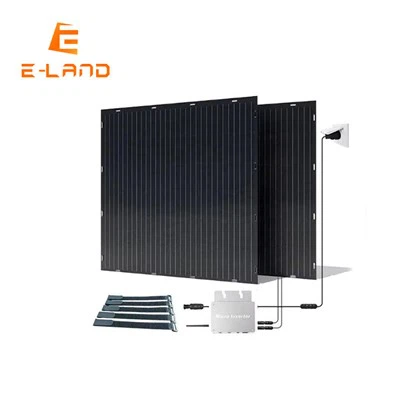
- Use of Microinverters or Power Optimizers: Microinverters and power optimizers are devices that can be used to mitigate the effects of shading on solar panels. These devices are installed on each individual solar panel and allow them to operate independently of each other. This means that if one panel is shaded, it won’t affect the performance of the other panels in the system.
- Regular Maintenance and Monitoring: Regular maintenance and monitoring of the off-grid solar power system can also help to mitigate the effects of shading. This includes cleaning the solar panels to remove any dirt or debris that could block sunlight, checking the wiring and connections for any signs of damage, and monitoring the system’s performance to detect any issues early on.
Conclusion
Shading can have a significant impact on the performance of an off-grid solar power system. However, by understanding the types of shading and their effects, and by implementing the practical tips outlined in this blog post, it’s possible to mitigate the effects of shading and ensure that the system operates at its maximum efficiency.
Solar Power System If you’re interested in learning more about off-grid solar power systems or if you’re looking for a reliable supplier, please don’t hesitate to contact us. We have a team of experienced professionals who can help you design and install a system that meets your specific needs and budget.
References
- "Solar Power Systems: Design and Installation Guide" by Paul Gipe
- "Renewable Energy: Sources for Fuels and Electricity" by John Twidell and Tony Weir
- "Photovoltaic Systems Engineering" by Subhendu Guha
Hangzhou Huakun New Energy Equipment Co., Ltd.
As one of the most professional off grid solar power system manufacturers and suppliers in China, we’re featured by quality products and good service. Please rest assured to wholesale bulk durable off grid solar power system made in China here from our factory. We also accept customized orders.
Address: International Export Office, Huaxin Development Building B, Wener Road No.328, Westlake District, Hangzhou, China
E-mail: linda@hzhuakun.com
WebSite: http://www.hk-newenergy.net/
