Hey there! I’m a supplier of ducted fume hoods, and I’ve seen firsthand how crucial it is to prevent cross – contamination in these essential pieces of equipment. Cross – contamination in ducted fume hoods can lead to a whole bunch of problems, from inaccurate experimental results to potential health risks for lab workers. So, let’s dive into some practical ways to keep that cross – contamination at bay. Ducted Fume Hoods

Understanding Cross – Contamination in Ducted Fume Hoods
First off, we need to know what cross – contamination in ducted fume hoods actually is. Simply put, it’s when contaminants from one experiment or process get mixed with another. This can happen in a few ways. For example, if there are residues left behind on the surfaces of the fume hood after an experiment, and then a new experiment is carried out, those residues can contaminate the new sample.
Another way is through the air circulation. If the air in the fume hood isn’t properly filtered or if there are issues with the airflow pattern, contaminants can be carried from one area of the hood to another. And let’s not forget about improper handling of equipment and materials. If you’re using the same tools for different samples without proper cleaning, you’re just asking for cross – contamination.
Regular Cleaning and Maintenance
One of the most effective ways to prevent cross – contamination is regular cleaning and maintenance of the ducted fume hood. You should clean the interior surfaces of the hood after each use. Use a mild detergent and a soft cloth to wipe down the walls, shelves, and work surface. Make sure to get into all the nooks and crannies where residues might accumulate.
It’s also important to clean the filters regularly. The filters in a ducted fume hood are designed to trap contaminants and prevent them from being recirculated into the lab. Over time, these filters can get clogged with dirt and debris, which can reduce their effectiveness. Check the manufacturer’s guidelines for how often to change the filters, and make sure to replace them when necessary.
In addition to regular cleaning, you should also schedule periodic maintenance checks. A professional technician can inspect the ductwork, airflow system, and other components of the fume hood to ensure that everything is working properly. They can also detect and fix any potential issues before they turn into major problems.
Proper Use of Equipment
How you use the equipment inside the ducted fume hood can also have a big impact on cross – contamination. First of all, make sure to keep the fume hood sash at the recommended height. The sash acts as a barrier between the user and the contaminants inside the hood. By keeping it at the right height, you can maintain a proper airflow pattern and reduce the risk of contaminants escaping.
When you’re handling chemicals and samples, use separate containers and tools for each one. Don’t reuse pipettes, spatulas, or other equipment without cleaning them first. And when you’re done with an experiment, make sure to properly dispose of any waste materials.
It’s also a good idea to have a designated area inside the fume hood for each type of experiment. This can help you keep track of where everything is and reduce the chances of mixing different samples.
Airflow Management
The airflow in a ducted fume hood is crucial for preventing cross – contamination. A proper airflow pattern helps to carry contaminants away from the user and out of the hood. To ensure good airflow, make sure that the fume hood is installed correctly. It should be positioned away from sources of air turbulence, such as open doors and windows.
You should also regularly monitor the airflow in the fume hood. Most fume hoods are equipped with airflow sensors that can detect if the airflow is too low or too high. If you notice any changes in the airflow, such as a decrease in suction or unusual noise, it could be a sign of a problem. In that case, you should stop using the fume hood immediately and have it checked by a professional.
Staff Training
Last but not least, proper staff training is essential for preventing cross – contamination in ducted fume hoods. All lab workers who use the fume hood should receive comprehensive training on how to use it safely and effectively. This training should cover topics such as proper cleaning procedures, equipment handling, and airflow management.
Make sure that the training is updated regularly to reflect any changes in the fume hood’s operating procedures or safety guidelines. And encourage your staff to ask questions and report any issues they encounter while using the fume hood.
Conclusion
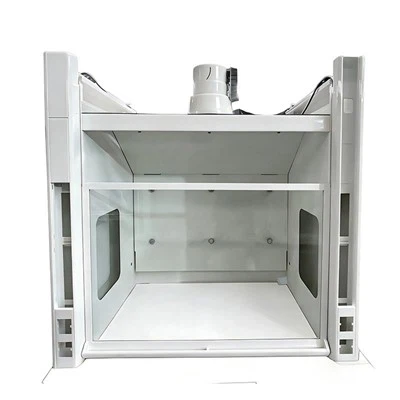
Preventing cross – contamination in ducted fume hoods is a multi – faceted task that requires regular cleaning, proper use of equipment, good airflow management, and staff training. By following these tips, you can significantly reduce the risk of cross – contamination and ensure a safe and productive working environment in your lab.
Fume Hoods If you’re in the market for a high – quality ducted fume hood or need advice on how to prevent cross – contamination in your existing setup, don’t hesitate to reach out. We’re here to help you make the best choices for your lab’s needs.
References
- American Chemical Society. Laboratory Ventilation Guidelines.
- Occupational Safety and Health Administration (OSHA). Safety Standards for Laboratory Fume Hoods.
- National Fire Protection Association (NFPA). Codes and Standards Related to Laboratory Safety.
HAMECC(Shanghai) Lab Solutions Co., Ltd.
We’re well-known as one of the leading ducted fume hoods manufacturers and suppliers in China, featured by quality products and good price. Please rest assured to buy customized ducted fume hoods made in China here from our factory.
Address: Building 1, No. 2222, Huancheng Road, Jiading District, Shanghai
E-mail: info@hamecc.com
WebSite: https://www.hamecc.com/
