When it comes to the world of liquid cooling systems, the liquid cooling manifold stands as a crucial component. As a supplier deeply entrenched in this industry, I’ve witnessed firsthand the diverse needs and concerns of our customers, especially when it comes to the cost of a liquid cooling manifold. In this blog post, I’ll delve into the factors that influence the cost of these essential parts and provide you with a comprehensive understanding of what goes into pricing them. Liquid Cooling Manifold
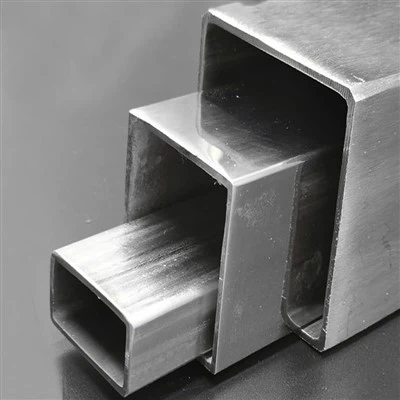
Understanding the Basics of a Liquid Cooling Manifold
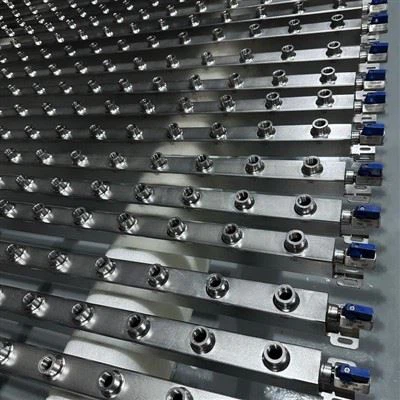
Before we jump into the cost analysis, let’s briefly understand what a liquid cooling manifold is. A liquid cooling manifold serves as a central distribution point for coolant within a liquid cooling system. It is designed to evenly distribute the coolant to multiple components that need to be cooled, such as high – performance CPUs, GPUs, or other heat – generating electronic devices. The manifold ensures that each component receives an adequate and consistent flow of coolant, thereby maintaining optimal operating temperatures.
Factors Affecting the Cost of a Liquid Cooling Manifold
1. Material Selection
One of the most significant factors influencing the cost of a liquid cooling manifold is the material used in its construction. Different materials offer varying levels of performance, durability, and corrosion resistance, all of which impact the price.
- Aluminum: Aluminum is a popular choice for liquid cooling manifolds due to its lightweight nature, good thermal conductivity, and relatively low cost. It is well – suited for a wide range of applications and can be easily machined. However, the cost of aluminum can fluctuate depending on market conditions, and high – purity aluminum alloys may be more expensive.
- Stainless Steel: Stainless steel is known for its excellent corrosion resistance and high strength. It is often used in applications where the coolant may be aggressive or where the manifold needs to withstand high pressures. Stainless steel manifolds are generally more expensive than aluminum ones due to the higher cost of the raw material and the more complex manufacturing processes required to work with stainless steel.
- Brass: Brass is another option that offers good thermal conductivity and corrosion resistance. It is also relatively easy to machine, which can help keep costs down. However, brass manifolds may be more expensive than aluminum in some cases, especially if the design requires high – precision machining.
2. Design Complexity
The design of a liquid cooling manifold can have a significant impact on its cost. A simple, straightforward design with basic features and a standard shape will typically be less expensive to manufacture than a complex design with intricate channels, multiple ports, or custom – shaped geometries.
- Number of Ports: Manifolds with a greater number of ports require more complex machining and sealing processes. Each additional port adds to the manufacturing time and cost, as precise drilling and threading operations are needed to ensure a leak – free connection.
- Channel Geometry: The internal channels of a liquid cooling manifold are designed to optimize coolant flow. Complex channel geometries, such as those with varying diameters or bends, can be more difficult to machine and may require advanced manufacturing techniques. These additional steps increase the cost of production.
- Customization: Custom – designed liquid cooling manifolds tailored to specific customer requirements are often more expensive than off – the – shelf models. Customization may include unique dimensions, special mounting features, or integration with other components. The costs associated with custom design include engineering time, tooling, and testing.
3. Manufacturing Process
The manufacturing process used to produce a liquid cooling manifold also affects its cost. Different processes have different levels of precision, efficiency, and cost – effectiveness.
- Machining: CNC machining is a common method for manufacturing liquid cooling manifolds. It offers high precision and can produce complex shapes, but it is relatively slow and expensive, especially for large – scale production. The cost of machining depends on factors such as the type of machine used, the machining time, and the cost of tooling.
- Casting: Casting processes, such as die – casting or investment casting, can be more cost – effective for large – volume production. They allow for the creation of complex shapes in a single step, reducing the need for multiple machining operations. However, casting molds are expensive to create, making this process less suitable for small – scale or custom – designed manifolds.
- 3D Printing: 3D printing is an emerging technology in the manufacturing of liquid cooling manifolds. It offers the advantage of rapid prototyping and the ability to produce highly complex geometries with relative ease. However, the cost of 3D printing materials and the limited production speed make it more expensive for large – scale production compared to traditional manufacturing methods.
4. Quality and Certification
The level of quality and the certifications associated with a liquid cooling manifold can also impact its cost. Manifolds that meet strict quality standards and carry industry – recognized certifications are generally more expensive than those without.
- Quality Control: Rigorous quality control measures, such as pressure testing, leak detection, and dimensional inspection, are essential to ensure the reliability and performance of a liquid cooling manifold. These additional testing steps add to the cost of production, but they are necessary to guarantee a high – quality product.
- Certifications: Manifolds intended for use in certain industries, such as aerospace or medical, may need to meet specific certifications. These certifications require compliance with strict standards and may involve additional testing and documentation, which increase the overall cost.
Pricing Range
Given the multitude of factors that influence the cost, the price of a liquid cooling manifold can vary widely. Simple, aluminum – made manifolds with a basic design and a small number of ports can cost as little as a few dollars for small – scale production. On the other hand, custom – designed, stainless – steel manifolds with complex geometries and multiple ports for high – end applications can cost hundreds or even thousands of dollars per unit.
For large – volume production, the cost per unit can be significantly reduced. Economies of scale come into play, as the fixed costs associated with tooling and setup are spread over a larger number of units. Additionally, suppliers may be able to negotiate better prices for raw materials when purchasing in bulk.
Value for Money
When considering the cost of a liquid cooling manifold, it’s important to look beyond the initial price tag and consider the overall value for money. A higher – priced manifold may offer better performance, greater durability, and lower maintenance costs over its lifespan. For example, a stainless – steel manifold with excellent corrosion resistance may last longer and require fewer replacements than a cheaper aluminum manifold in a harsh environment.
Moreover, a well – designed and high – quality manifold can contribute to the overall efficiency of the liquid cooling system. By ensuring even coolant distribution, it can help reduce the risk of overheating and improve the performance of the cooled components, which can lead to significant savings in the long run.
Contact Us for a Quote
As a leading supplier of liquid cooling manifolds, we understand that every customer’s needs are unique. Whether you’re looking for a standard off – the – shelf manifold or a custom – designed solution, we have the expertise and resources to meet your requirements.
We offer competitive pricing based on the specific factors of your project, including material selection, design complexity, and production volume. Our team of experienced engineers can work with you to optimize the design of your manifold, ensuring that you get the best performance at the most reasonable cost.
Special-shaped Condenser Tube If you’re interested in learning more about our liquid cooling manifolds and getting a quote, please feel free to reach out to us. We’re committed to providing you with high – quality products and excellent customer service. Contact us today to start the conversation about your liquid cooling manifold needs.
References
- ASM Handbook, Volume 2: Properties and Selection: Nonferrous Alloys and Special – Purpose Materials. ASM International.
- Machining Technology: An Introduction. David A. Stephenson, H. Terry Pharr. CRC Press.
- Additive Manufacturing Technologies: 3D Printing, Rapid Prototyping, and Direct Digital Manufacturing. Ian Gibson, David W. Rosen, Brent Stucker. Springer.
China Super Tech Co., Ltd.
As one of the most professional liquid cooling manifold manufacturers and suppliers in China, we’re featured by quality products and good service. Please rest assured to wholesale OEM liquid cooling manifold from our factory. Also, custom service is available.
Address: Wangjing Science and Technology Park, Guangshun North Street, Chaoyang District, Beijing
E-mail: sales@316liquidcooling.com
WebSite: https://www.316liquidcooling.com/
