If you’re anything like me, when you hold a medal or a custom coin, that first run of your fingers over its surface tells you way more than a photo ever could. As a medal supplier who’s been in this game for over a decade, I’ve had more conversations about texture than I have about size or finish—and honestly, it’s the difference between a piece that feels like a cheap trinket and one someone’s gonna tuck into their wallet for decades. Lately, I’ve been getting nonstop questions from coaches, event planners, and even small business owners: what’s the real difference between die struck and 3D cast medal texture? It’s not just a “looks cool” detail—it’s what makes your custom medal feel worth the price, and it’s the part that most folks get wrong when they’re picking a process. Let me break this down like I would over a coffee, no fancy industry jargon required. Die Struck & 3D Cast Medals
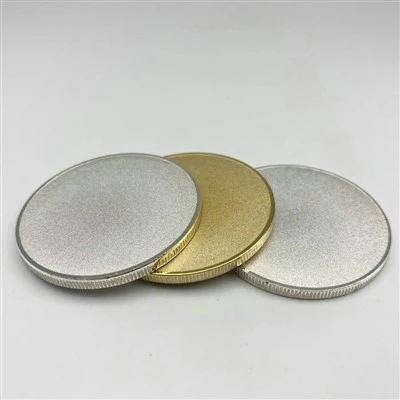
First, let’s get the basics straight because I still meet people who mix these two up. Die struck medals start with a custom metal die—think of it like a stamp made super precise, usually steel. You heat thin metal blanks (usually brass, zinc, or copper) just enough to make them malleable, then clamp them between two dies and hit ’em with thousands of pounds of pressure. That pressure forces the metal to flow into every tiny groove on the die, so you get a raised design right there. 3D cast? That’s more like pouring. You start with a master model (often 3D printed now, which is why it’s called 3D cast), make a silicone mold from that, then pour molten metal (or sometimes resin, but we’re talking metal medals here) into the mold cavity, let it cool, pop it out. Super different processes, and that’s why their textures are so night and day once you hold the finished piece.
Let’s start with die struck texture because that’s what I do most of the time, and it’s got a very distinct, almost crisp kind of feel. First off, the metal is being pressed, not melted into shape. So the surface texture is all about how the metal moves under that pressure. The highest points on a die struck medal—say, a coach’s name or the edge of a logo—have this sharp, almost polished edge. Run your finger over it, and it feels like a tiny, smooth ridge, not a soft, rounded bump. That’s because the steel die is machined with ultra-precise tools; we’re talking tolerances of a fraction of a millimeter here, so there’s zero slop in the stamp. I’ve had a customer bring back a high school championship medal they got from a random online shop and complain that the star on the front felt “squishy.” 9 times out of 10, that was a cast medal trying to pass as die struck. Die struck stars? They feel sharp, almost defined enough to make out individual points with your eyes closed, and the flat areas (called fields, in the biz) are dead smooth. No ripples, no tiny air bubbles, because the metal’s being compressed flat between two hard dies. The only texture variation on a die struck medal is intentional, like if you ask for a sandblasted background or a brushed edge—we can do that, but the base is always this tight, controlled metal feel.
Wait, but here’s the thing that surprises people: die struck texture gets even better when you add details. Like, if you have a small date, or tiny text, or a lanyard hole that’s perfectly aligned? Because the die is a hard steel tool, those tiny details don’t blur. You can run your finger over a 1mm tall date on a die struck medal and read it without looking. I did a set of 500 medals for a cross country team last year with their meet’s exact date on the lower left, and the coach texted me a pic a week later saying his kid ran her finger over it and said “wow, that date feels clear.” That’s die struck texture—precision that feels tangible.
Now, 3D cast medals. These are the ones with that rounded, almost soft, sculpted feel. Because you’re pouring molten metal into a mold, right? The metal flows, it cools from the outside in, so the highest points of the design (called the relief) are a little more rounded, not sharp. Run your finger over the edge of a cast medal’s logo, and it’s like a gently curving bump, not a crisp ridge. That’s not a flaw—that’s just how casting works. Also, since molten metal has a tendency to grab tiny bits of air when it’s poured, cast medals almost always have little micro-pores on their surface. If you hold a cast medal up to the light, you’ll see tiny, almost invisible pinpricks all over the flat areas. Run your palm over it, and it’s got a subtle “grainy” feel, not the smooth, flat finish of die struck. A lot of folks love that, actually—if you want that rustic, artisanal look, those tiny pores feel intentional, like a hand-made piece. I did a set of bronze cast medals for a local historic society a couple years ago, and they loved the tiny unevenness because it made each medal feel a little unique, not mass-produced. They even called it “character texture.”
Wait, but there’s a catch with cast texture that I have to warn everyone about: details. If you have something super small, like a 0.5mm line, cast texture is never going to be as crisp. Because the silicone mold can stretch a little, and the molten metal can’t flow into every tiny crevice as well as compressed die struck metal. Last quarter, a customer came to me upset because he’d ordered cast medals for his fantasy football league, and the team logos looked “blurry” up close. Turns out he tried to get small, intricate logos on cast, which just doesn’t work. Die struck would’ve nailed that, because the steel die doesn’t stretch, so even tiny lines stay sharp. That’s a big one for texture—if detail clarity is your thing, die struck wins every time, because cast texture softens small details by nature.
Another thing that changes texture? Weight. Wait, hold on—weight is tied directly to how the process forms the medal, so it affects the feel. Die struck medals use a thicker metal blank, right? Because you’re compressing it, so you can’t make it too thin or it’ll crack under pressure. So a standard 2-inch die struck medal feels solid in your hand, like a little chunk of metal. Cast medals, on the other hand, have to account for the metal shrinking as it cools. So even if we say it’s the same size, a cast medal usually feels a little lighter. That’s not a bad thing—if you want a lightweight medal for a 5K, cast is perfect. But if you want that “heft” that makes someone go “wow, this is nice,” die struck texture pairs with a solid feel that’s hard to beat.
Let me also talk about edge texture, because that’s the part everyone feels first when they pick up a medal. Die struck medals have what’s called a “collar edge”—it’s that flat, even edge all the way around, because the steel die’s outer ring cuts the metal cleanly. Run your thumb over the edge of a die struck medal, and it’s smooth, uniform, no rough spots. Cast medals? The edge is usually a little uneven, because when you pop the medal out of the silicone mold, you have to trim off the excess metal (called flash) around the edge. Even if we sand that flash down, you can still feel a tiny, almost imperceptible seam, like a very faint line around the edge. Some people hate that, some people like it—again, it’s that character thing for cast. For die struck, we don’t have flash, so the edge is totally seamless, which adds to that tight, polished texture.
Wait, should I mention when to pick which? Because texture is only one part—you have to match it to what you’re using the medal for. If you’re making a medal for a professional championship, or a corporate recognition award that’s gonna sit on someone’s desk for years, die struck texture is the way to go. It feels high-end, sharp, and the details hold up forever. I had a set of 2018 state wrestling medals come back to me last year for a re-order, and the texture on those was exactly the same as the new ones—no fading, no softening, because the steel die’s precision doesn’t wear out easily. Cast is great for things like community event medals, historic reenactments, or small art pieces where you want that unique, hand-crafted feel. I did a set of Halloween 10K medals last year, and the cast texture with the rounded pumpkin details was way more fun for kids than a crisp die struck one would’ve been.
I get that a lot of folks look at photos online and can’t tell the difference in texture, so I always tell customers: if you’re unsure, ask for a sample. We send free texture samples all the time—you can feel the crisp die struck fields next to the grainy cast ones, see the sharp edges vs. the rounded relief, and decide what feels right for your project. Last month, a youth soccer league coordinator ordered cast medals because she thought they were cheaper, but when she got the sample, she switched to die struck because the sharp, clear player numbers on the die struck ones looked way better on the jerseys, and the texture felt more “official” for a league that wanted to grow into a bigger tournament. That’s the thing about texture—it’s not just about feel, it’s about how the medal represents your event or brand. A fuzzy, indistinct texture says “cheap,” a crisp, intentional texture says “we care about this.”

Let me wrap this up like I would when I’m wrapping up a chat with a new customer. The big takeaway: die struck texture is crisp, precise, smooth on every surface, with sharp details and a solid heft. It’s for when you want something that feels high-quality, lasts forever, and has every tiny detail exactly where it should be. 3D cast texture is rounded, grainy, has that subtle character, with softer details and a lighter feel. It’s for when you want something unique, affordable, or has intricate designs that wouldn’t hold up on a die. At the end of the day, both are great—they just serve different purposes, and texture is the easiest way to spot which is which before you order.
Medal If you’re gearing up to order custom medals, whether it’s for a race, a company event, a little league team, whatever, don’t stress over the jargon. Hit us up, tell me what you’re making, what vibe you want, and I can walk you through texture, size, finish, all that stuff. No pushy sales stuff, just straight answers. We’ve worked with everyone from small neighborhood runs to major college tournaments, and we’ll make sure your medals feel as good as they look.
References
- Modern Metal Stamping: Die Design & Process, 2022, Precision Metalforming Association
- Casting for Sculptors: Techniques for Metal and Resin, 2021, University of Arts Press
- Custom Medal Manufacturing Standards, 2023, International Awards Association
Yan Hui Gift Craft Co., Limited
Address: Dian Hou Zheng Number 8, Kunyang Town, Pingyang County , Wenzhou City, Zhejiang Province, China
E-mail: yanhuicraft@vip.126.com
WebSite: https://www.yanhuigiftcraft.com/
