If you’ve ever shopped for heavy equipment, you know there’s a huge difference between a used bulldozer that’s ready to tackle a new project and one that’s going to cost you thousands in repairs in the first month. For over 12 years, I’ve worked as a used bulldozer supplier, and I’ve seen it all: buyers who walked away from a $10,000 machine that was actually a steal, and others who jumped on a “too good to be true” deal only to end up stranded with a broken-down wreck. Today, I want to share the step-by-step inspection process I teach every new customer who comes to our lot—no fancy tools, no confusing jargon, just practical, field-tested checks that help you separate the quality bulldozers from the lemons. Used Bulldozer

I always tell people: buying used isn’t about settling for less. It’s about getting a reliable machine at a fair price, and that starts with showing up to inspect ready to ask the right questions and spot the red flags most sellers hide. I’ve had customers drive three hours just to show up unprepared, check the outside for a few minutes, and then leave frustrated when they realize the tracks were shot and the undercarriage was falling apart. Don’t be that person. Before you even get behind the wheel, you need to lay the groundwork—start with pulling the machine’s service records.
Good maintenance records are like a machine’s resume. If a bulldozer has only been used for gentle grading on a private farm and has all oil changes, track replacements, and major service documented every 500 hours, that’s a huge green light. If the seller can’t produce any records, or if the only thing they have is a vague “we changed the oil when we bought it,” that’s a warning sign. Ask specific questions: when was the last time the hydraulic filters were replaced? Did the undercarriage get a full inspection and any necessary repairs? Have there been any major component failures, like the transmission or engine? I once had a customer who almost bought a bulldozer from a private seller with no records, and it turned out the engine had seized because someone skipped oil changes for two years. That machine was worth half the asking price—don’t let that be you.
Next, start your physical inspection from the top down, and don’t rush. First, walk around the entire body of the bulldozer. Look for cracks in the frame, especially near the hood, where the blade mounts, and around the track rollers. A cracked frame isn’t just a cosmetic issue—it can shift under pressure, making the machine unstable and unsafe to operate. Then check the paint: uneven paint, especially in spots that should match, could be a sign that the bulldozer was hit, rolled, or had heavy repair work done. If you see Bondo (body filler) covering large areas, ask about it. I always say a small dent here or there is normal for heavy equipment, but a lot of filler means the machine was in a serious accident.
Now move to the tracks and undercarriage—this is where most hidden problems live. The undercarriage is the most expensive part of a bulldozer to replace, so this part of the inspection is non-negotiable. First, check the track tension. Most bulldozers have a grease fitting you can use to adjust track tightness. If you can push the track up more than three inches from the bottom, it’s too loose, which will cause it to slip off during operation. If it’s so tight you can barely move it, that’s a problem too—it will wear out the undercarriage faster and put extra strain on the engine.
Next, look at the condition of the track shoes, rollers, idlers, and sprockets. The sprockets are the gears that move the tracks, so they should have sharp, even teeth. If the teeth are worn down or chipped, that means you’re going to need to replace them soon, which is a few thousand dollars in extra cost. The track shoes should have uniform tread—if some are worn smooth and others are still deep, that means the undercarriage has been neglected. Also, check for rust or oil leaks around the rollers and idlers. A small oil leak here means a seal is going bad, and if you ignore it, you’ll lose lubrication, leading to expensive bearing damage.
While you’re down there, check the blade and ripper. The blade is another wear item, but it should have even, consistent wear across the edge. If one side is badly worn and the other is almost new, that means the bulldozer has been used to dig uneven ground or push heavy material at an angle, which puts extra strain on the hydraulic system and frame. The ripper, if the machine has one, should also have sharp, even teeth. A bent or broken ripper tooth means the machine was pushed too hard digging into rock or frozen ground. Also, test the hydraulic lines for leaks—run your hand along the hoses, and if you see wet, oily residue, that’s a leak. Hydraulic leaks can cause the blade or ripper to drop unexpectedly, which is a safety hazard.
Now it’s time to start the engine. Don’t just turn the key and idle it for 30 seconds—let it warm up, and watch for a few key signs. First, check the exhaust smoke. If the exhaust is blue when you first start it, that means the engine is burning oil, which is a sign of worn piston rings or valve seals. Black smoke means the engine is running too rich, which could be a fuel injector problem, and white smoke means it’s burning coolant, which is a sign of a head gasket failure or a cracked engine block. None of these are small fixes—they can cost thousands to repair.
While the engine is running, check the oil pressure gauge. It should stay steady within the manufacturer’s recommended range, usually between 20 and 60 PSI. If it drops when you rev the engine, that means the oil pump is failing or there’s excessive wear in the engine bearings. Next, check for leaks under the engine. Get on your hands and knees and look at the oil pan, the timing cover, and the gasket where the engine meets the transmission. A small seep is normal, but if you see a steady drip or large wet spots, that’s a problem.
Once the engine is warm, it’s time to test the hydraulics. This is one of the most important performance checks. Lift the blade all the way up, hold it there for 10 minutes, and then lower it slowly. If the blade drifts down more than a few inches over 10 minutes, that means the hydraulic cylinders have worn seals, which will need to be replaced. Also, test the blade tilt and angle—move it all the way left, right, forward, and backward. It should move smoothly, without any jerky motions or grinding noises. If you hear grinding, that’s air in the hydraulic lines or a bad pump. If it moves slow, that could mean the hydraulic fluid is low or contaminated, or the pump is failing. If your bulldozer’s hydraulics don’t work well, it’s useless for grading or digging—don’t buy it.
Next, test the transmission and drivetrain. Bulldozers usually have manual or power-shift transmissions. Shift through all the gears, forward and reverse, and listen for any grinding or slipping. If the transmission slips when you give it gas, that means the clutch plates are worn, which is another expensive repair. Also, drive the bulldozer around the lot for at least 15 minutes—don’t just idle it. Pay attention to how it handles. Does it pull to one side when you drive straight? That could mean track tension is uneven, or there’s a problem with the final drive motors. Does the steering feel loose or unresponsive? That’s a sign of worn steering components, which can be dangerous for large machines.
While you’re driving, test the brakes. Most bulldozers have track brakes, so engage each brake separately and make sure they stop the machine smoothly, without pulling. Also, check the parking brake—make sure it holds the machine on a slight incline. A brake failure is not something you want to deal with, so this is non-negotiable.
Don’t forget to check the cab and controls, either. While these might seem like small, unimportant details, a neglected cab often means a neglected machine. Test all the gauges, lights, and warning systems—they should all work. Check the seat for tears, and make sure the seatbelt is functional. If the cab is full of loose parts or has cracked windows, that might signal that the previous owner didn’t take good care of the machine overall.
Wait a second—what about the hour meter? I always tell buyers not to trust the hour meter entirely. Some sellers reset them or disconnect them to make a machine look newer. That’s why all the other checks matter more than the hour count. A 5,000-hour bulldozer with good maintenance records and a clean undercarriage is a better buy than a 3,000-hour machine with a cracked frame and a bad engine. I once had a customer ask me about a bulldozer that had an hour meter showing 2,000 hours, but when we checked the engine oil, it was full of dirt and the undercarriage was rusted. We later found out the seller had reset the hour meter—so never rely on that number alone.
After you’ve done all these checks, take a step back and ask yourself: does this machine feel like it’s been well-cared for? If you see a lot of small signs of neglect—loose bolts, missing caps, dirty filters—that adds up. A bulldozer that’s been well-maintained will have minor dents, but no major structural damage, smooth operation, and no obvious leaks.
Once you’ve finished your inspection, don’t be afraid to negotiate. If you found that the track shoes are worn and will need to be replaced in the next year, factor that cost into your offer. If the hydraulic seals need to be replaced, that’s another expense. At our lot, we always disclose any known issues upfront, and we price our bulldozers fairly based on their condition. But as a buyer, you should never pay full price for a machine that needs immediate repairs.
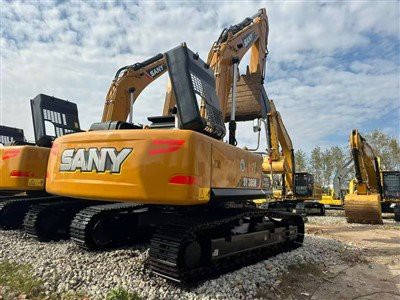
Buying a used bulldozer is a big investment, whether you’re a small contractor just starting out or a large company adding to your fleet. Take your time, don’t rush the inspection, and ask as many questions as you need. I’ve been in this business for over a decade, and the best customers are the ones who come prepared, who take the time to check every part, and who aren’t afraid to walk away if something doesn’t feel right.
Tank Semi Trailer If you’re in the market for a reliable used bulldozer, we have a range of models available, all inspected by our team of certified technicians to make sure they’re ready to work. We can answer all your questions, walk you through our inspection reports, and help you find the right machine for your project. Reach out to us to discuss your needs, test drive a machine, and lock in a fair price that works for you.
References
- Construction Equipment Association. (2021). Guide to Inspecting Used Heavy Construction Equipment. CEA Publications.
- International Union of Operating Engineers. (2020). Used Bulldozer Inspection and Maintenance Manual. IUOE Training and Education Fund.
- National Heavy Equipment Buyers Association. (2022). Key Performance Checks for Used Crawler Tractors. NHEBA Industry Report.
- Caterpillar Inc. (2019). Bulldozer Undercarriage Care and Inspection Guide. Cat Global Service Publications.
- Kubota Tractor Corporation. (2021). Compact and Mid-Size Bulldozer Pre-Purchase Inspection Checklist. Kubota Equipment Resources.
Shandong Huaqi Automotive Technology Co., Ltd.
Shandong Huaqi Automotive Technology Co., Ltd. is one of the most experienced used bulldozer manufacturers and suppliers in China, also supports customized service with low price. Please feel free to wholesale cheap used bulldozer in stock here from our factory. Contact us for free sample.
Address: Quanpu Town Industrial Park, Liangshan County, Shandong Province, China
E-mail: 15275764777@163.com
WebSite: https://www.huaqitruck.com/
