Hey there! I’m a supplier of nonionic softeners, and I often get asked if nonionic softeners can be used on leather. Well, let’s dive right into this topic and find out. Nonionic Softener
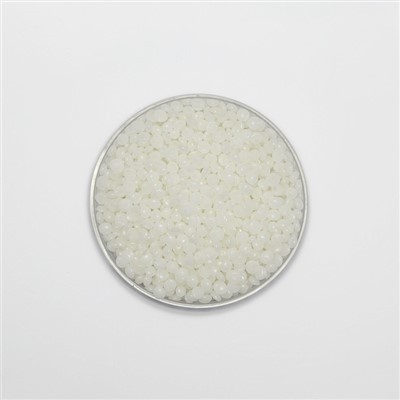
First off, let’s understand what nonionic softeners are. Nonionic softeners are a type of chemical compound that doesn’t carry an electrical charge. They’re different from anionic and cationic softeners, which have negative and positive charges respectively. Nonionic softeners are known for their mildness and compatibility with a wide range of materials. They work by reducing the friction between fibers, making the material feel softer and more comfortable.
Now, let’s talk about leather. Leather is a natural material made from animal hides. It’s a popular choice for many products, like shoes, bags, and furniture, because of its durability and aesthetic appeal. But leather also needs proper care to maintain its quality and appearance.
So, can nonionic softeners be used on leather? The answer is yes, but with some considerations.
One of the main benefits of using nonionic softeners on leather is that they can help to keep the leather soft and supple. Leather can dry out over time, especially if it’s exposed to heat, sunlight, or harsh chemicals. A nonionic softener can penetrate the leather fibers and add moisture, preventing the leather from becoming stiff and cracking.
Another advantage is that nonionic softeners are gentle on leather. Unlike some other chemicals, they won’t damage the leather or cause discoloration. This is important because leather is a delicate material, and using the wrong product can ruin it.
However, there are a few things to keep in mind when using nonionic softeners on leather. First, it’s important to choose the right type of nonionic softener. Some nonionic softeners are designed for specific types of leather, like full – grain or top – grain leather. Make sure to read the product label and choose a softener that’s suitable for the type of leather you’re treating.
Second, you need to test the softener on a small, inconspicuous area of the leather first. This will help you to see if the softener causes any adverse reactions, such as discoloration or damage. Wait for 24 hours after applying the softener to the test area and check for any changes. If there are no problems, you can proceed to treat the entire leather item.
Third, follow the instructions on the product label carefully. Different nonionic softeners may have different application methods and recommended frequencies of use. Some softeners may need to be diluted before use, while others can be applied directly to the leather.
When applying the nonionic softener to leather, use a clean, soft cloth. Gently rub the softener into the leather in a circular motion, making sure to cover the entire surface. Don’t apply too much pressure, as this can damage the leather. After applying the softener, let it dry naturally. Avoid using a hair dryer or other heat sources, as this can cause the leather to dry out too quickly and crack.
In addition to softening the leather, nonionic softeners can also help to protect it. They can form a thin layer on the surface of the leather, which can act as a barrier against dirt, water, and other contaminants. This can help to keep the leather clean and extend its lifespan.
But it’s not all sunshine and rainbows. There are also some potential drawbacks to using nonionic softeners on leather. For example, if you use too much softener, it can leave a greasy residue on the leather. This can make the leather look dirty and attract more dirt and dust. Also, some nonionic softeners may not be suitable for all types of leather finishes. For instance, if the leather has a special coating or treatment, the softener may not work as well or could even damage the coating.
Now, let’s talk about some real – world applications. If you’re in the business of making leather products, using nonionic softeners can be a great way to improve the quality of your products. For example, if you’re making leather shoes, using a nonionic softener during the manufacturing process can make the shoes more comfortable to wear and give them a better feel.
If you’re a consumer, using a nonionic softener on your leather items can help you to maintain their quality and appearance. Whether it’s your favorite leather jacket or your leather sofa, a little bit of softener can go a long way in keeping them looking great.
So, if you’re in the market for a nonionic softener for your leather products, I’m here to help. As a supplier, I have a wide range of nonionic softeners that are specifically formulated for leather. Our products are of high quality and have been tested to ensure they’re safe and effective.
If you’re interested in learning more about our nonionic softeners or have any questions about using them on leather, feel free to reach out. We’re always happy to have a chat and help you find the right product for your needs. Whether you’re a small business owner or an individual looking to take care of your leather items, we’ve got you covered.

In conclusion, nonionic softeners can be a great option for treating leather. They can help to keep the leather soft, supple, and protected. But it’s important to choose the right product and use it correctly. So, if you’re looking for a reliable nonionic softener for your leather, don’t hesitate to contact us. Let’s work together to keep your leather looking its best!
Cationic Softener References:
- "Leather Care Basics" – Leather Industry Handbook
- "Nonionic Surfactants: Properties and Applications" – Chemical Science Journal
Nanfeng Dasun Technology Co., Ltd.
As one of the leading nonionic softener manufacturers and suppliers in China, we offer a wide range of products with superior quality for industrial. Please rest assured to buy bulk nonionic softener made in China here from our factory. Contact us for more details.
Address: Nanfeng Industrial Park, Nanfeng County, Fuzhou City, Jiangxi Province, China
E-mail: Inquiry@honechem.com
WebSite: https://www.honechem.org/
