Hey there! I’m a supplier of spiral ultrafiltration membranes, and today I wanna chat about whether these membranes can be used in the food and beverage industry. Spiral Ultrafiltration Membrane
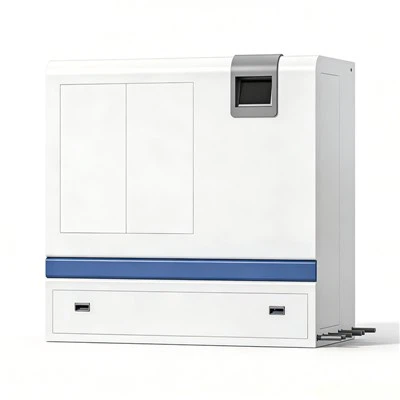
First off, let’s understand what spiral ultrafiltration membranes are. These membranes are like super – fine sieves. They have tiny pores that can separate different substances based on their size. The spiral design is pretty cool. It allows for a large surface area in a relatively small space, which means more efficient filtration.
Benefits in the Food and Beverage Industry
Clarification
One of the big uses in the food and beverage world is clarification. Take fruit juices, for example. When you squeeze fruits, you get all sorts of stuff in the juice – pulp, particles, and even some microorganisms. Spiral ultrafiltration membranes can remove these unwanted elements. They let the clear juice pass through while holding back the solids. This results in a clearer, more visually appealing juice. It also helps in extending the shelf – life of the juice because it gets rid of potential spoilage agents.
In the winemaking process, clarification is crucial too. Wines often have suspended particles that can make the wine look cloudy. Using a spiral ultrafiltration membrane, winemakers can achieve a crystal – clear wine. This not only improves the appearance but also can enhance the taste by removing any off – flavors associated with the particles.
Concentration
Another great application is concentration. In the dairy industry, for instance, milk can be concentrated using these membranes. The membrane can separate the water and some small molecules from the milk proteins and other valuable components. This is useful for making products like cheese and yogurt. By concentrating the milk, you can reduce the volume, which in turn can save on storage and transportation costs.
In the production of fruit purees, ultrafiltration can also be used for concentration. It allows you to remove excess water from the puree, making it thicker and more flavorful. This concentrated puree can then be used in various food products, like jams, pastries, and ice – creams.
Removal of Microorganisms
Microorganisms are a big concern in the food and beverage industry. They can cause spoilage and even pose health risks. Spiral ultrafiltration membranes are really good at removing bacteria, yeast, and some viruses. Since the pores of the membrane are small enough, these microorganisms can’t pass through. This provides a natural and effective way to sterilize food and beverages without using harsh chemicals.
For example, in the production of beer, ultrafiltration can be used to remove yeast and bacteria after the fermentation process. This helps in achieving a stable and safe product. It also allows for a longer shelf – life of the beer.
Challenges and Considerations
Membrane Fouling
One of the main challenges when using spiral ultrafiltration membranes in the food and beverage industry is membrane fouling. As the membrane filters the food or beverage, particles and substances can stick to the surface of the membrane. This reduces the flow rate and the efficiency of the filtration.
To deal with this, regular cleaning is necessary. There are different cleaning methods, like chemical cleaning and backwashing. Chemical cleaning involves using specific chemicals to break down the fouling substances. Backwashing is when you reverse the flow of the liquid through the membrane to dislodge the particles.
Compatibility with Food
The membranes need to be compatible with the food and beverage products. They should not leach any harmful substances into the products. So, it’s important to use membranes that are made from food – grade materials.
We, as a supplier, make sure that our membranes are made from high – quality, food – grade polymers. These polymers are approved for use in the food industry, so you don’t have to worry about any contamination issues.
Cost
The cost of using spiral ultrafiltration membranes can be a factor. The initial investment in the membrane system can be relatively high. There are also ongoing costs for maintenance, cleaning, and replacement of the membranes.
However, when you consider the benefits, like improved product quality, longer shelf – life, and reduced waste, the cost can be justified. In the long run, it can actually save money for food and beverage producers.
Case Studies
A Juice Company
There’s a juice company that was struggling with the quality of their orange juice. The juice was often cloudy, and they had issues with spoilage. They decided to try our spiral ultrafiltration membranes.
After implementing the membrane system, the juice became much clearer. The removal of particles and microorganisms also extended the shelf – life of the juice. The company was able to sell more of their product because of the improved quality, and they also reduced their waste due to spoilage.
A Dairy Manufacturer
A dairy manufacturer was looking to improve the efficiency of their cheese production. They used our membranes to concentrate the milk. By doing so, they were able to reduce the volume of milk they needed to process, which saved on energy and storage costs. The resulting cheese had a better texture and flavor, and they were able to increase their production capacity.
Conclusion
So, can spiral ultrafiltration membranes be used in the food and beverage industry? Absolutely! They offer a range of benefits, from clarification and concentration to microorganism removal.
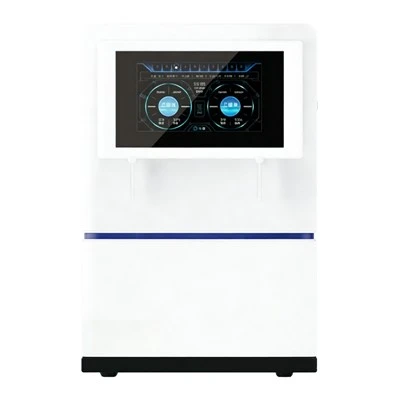
Of course, there are challenges like membrane fouling, compatibility, and cost, but with the right approach, these can be managed.
Pure Water System If you’re in the food and beverage industry and are looking for a way to improve your product quality, increase efficiency, and reduce waste, our spiral ultrafiltration membranes could be the solution for you. I’d love to have a chat with you about how our membranes can fit into your production process. Just reach out, and we can start a conversation about your specific needs.
References
- Cheryan, M. (1998). Ultrafiltration Handbook. Technomic Publishing.
- Baker, R. W. (2004). Membrane Technology and Applications. Wiley.
- Porter, M. C. (1990). Handbook of Industrial Membrane Technology. Noyes Publications.
Hangzhou Nanoimp Environmental Technology Co., Ltd.
With abundant experience, we are one of the most professional spiral ultrafiltration membrane manufacturers and suppliers in China. Welcome to wholesale high quality spiral ultrafiltration membrane in stock here and get pricelist from our factory. We also accept customized orders.
Address: Road 25, Baiyang Street, Qiantang District, Hangzhou City, Zhejiang Province
E-mail: keith.wang@nano-sepmer.com
WebSite: https://www.nanoimp-membrane.com/
