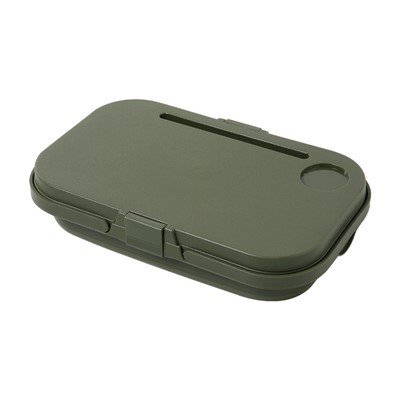
Hey there! As a supplier of sealable food containers, I often get asked how to tell if a container is BPA – free. BPA, or bisphenol A, is a chemical that has been used in the production of plastics for a long time. But in recent years, there have been concerns about its potential health effects, especially when it comes into contact with food. So, let’s dive into it and figure out how you can know if that sealable food container you’re eyeing is BPA – free. Sealable Food Containers
What is BPA and Why Should You Care?
First off, let’s talk a bit about BPA. It’s a synthetic compound that’s been used to make polycarbonate plastics and epoxy resins since the 1950s. Polycarbonate plastics are clear, tough, and super durable, which is why they’ve been so popular for making food containers. Epoxy resins, on the other hand, are used to line the inside of metal cans.
The problem is, BPA can leach out of these plastics and resins and into your food or drinks. And studies have linked BPA exposure to a whole bunch of health issues, like hormonal imbalances, reproductive problems, and even an increased risk of certain cancers. That’s why a lot of people are now looking for BPA – free options when it comes to their food storage.
Look for the Label
The easiest way to know if a sealable food container is BPA – free is to check the label. Most manufacturers these days are aware of the concerns around BPA and will clearly mark their products as BPA – free if that’s the case. It’s usually written in big, bold letters right on the container or its packaging.
But be careful! Some labels might be a bit misleading. For example, a label that says "reusable" or "dishwasher – safe" doesn’t necessarily mean it’s BPA – free. Always look explicitly for the "BPA – free" label. If you can’t find it, it’s a good idea to contact the manufacturer and ask for more information.
Check the Plastic Resin Code
Another way to figure out if a container has BPA is to look at the plastic resin code. This is a little number inside a triangle of arrows, usually found on the bottom of the container.
- Code 1 (PET or PETE): This is polyethylene terephthalate, which is commonly used for soda bottles and some food containers. It’s generally considered safe and doesn’t contain BPA.
- Code 2 (HDPE): High – density polyethylene is used for things like milk jugs and some food storage containers. It’s also BPA – free and is a pretty safe option.
- Code 3 (PVC): Polyvinyl chloride can sometimes contain BPA or other harmful chemicals, so it’s best to avoid it when it comes to food containers.
- Code 4 (LDPE): Low – density polyethylene is used for things like plastic bags and some flexible food storage containers. It’s usually BPA – free.
- Code 5 (PP): Polypropylene is a popular choice for food containers because it’s heat – resistant and BPA – free. You’ll often see it in things like yogurt cups and microwave – safe containers.
- Code 6 (PS): Polystyrene, or styrofoam, can potentially leach chemicals into food, especially when heated. It’s not a great choice for food storage, and it might contain BPA.
- Code 7: This is a catch – all category for other plastics. Some plastics in this category, like polycarbonate, contain BPA. However, there are also BPA – free plastics in this group, so you need to look for the BPA – free label if you see a Code 7 container.
Consider the Color and Clarity
In general, BPA – containing polycarbonate plastics are clear and have a glass – like appearance. If a sealable food container is very clear and transparent, there’s a chance it could be made of polycarbonate and might contain BPA.
On the other hand, BPA – free containers can come in a variety of colors and might not have that same crystal – clear look. They could be opaque or have a slightly milky appearance. Of course, this isn’t a foolproof method, as some BPA – free plastics can also be clear, but it can give you a bit of a clue.
Do a Smell Test
If a new sealable food container has a strong, chemical smell, it could be a sign that it contains BPA or other harmful chemicals. BPA – free containers usually have a much milder or no smell at all.
But keep in mind that some plastics can have a slight smell when they’re brand new, even if they’re BPA – free. So, if the smell goes away after a few days of airing out the container, it might be okay. However, if the smell persists or is really strong, it’s probably best to avoid using it.
Research the Manufacturer
Not all manufacturers are created equal. Some are really committed to producing safe, BPA – free products, while others might cut corners. Do a little research on the company that makes the sealable food container you’re interested in.
Look for reviews from other customers. If people are complaining about the container leaching chemicals or having a bad smell, that’s a red flag. You can also check if the manufacturer has any certifications or awards related to food safety.
Our Sealable Food Containers
As a supplier, I can assure you that all of our sealable food containers are BPA – free. We take food safety very seriously and go through rigorous testing to make sure that our products meet the highest standards.
Our containers are made from high – quality, BPA – free plastics that are safe for storing all kinds of food, from leftovers to fresh produce. They come in a variety of sizes and shapes to suit your different needs. And our seals are super strong, so you don’t have to worry about leaks or spills.
If you’re in the market for some new sealable food containers, I’d love to have a chat with you. Whether you’re a restaurant owner looking for bulk storage solutions or a home cook who wants to keep your food fresh, we’ve got you covered. Just reach out, and we can discuss your specific requirements and find the perfect containers for you.
Conclusion
Figuring out if a sealable food container is BPA – free might seem a bit tricky at first, but with these tips, you should be able to make an informed decision. Remember to check the label, look at the plastic resin code, consider the color and smell, and research the manufacturer.
Household Storage Box And if you’re interested in our BPA – free sealable food containers, don’t hesitate to get in touch. We’re here to help you find the best food storage solutions for your needs.
References
- Centers for Disease Control and Prevention (CDC). "Biomonitoring Summary: Bisphenol A (BPA)".
- Food and Drug Administration (FDA). "Bisphenol A (BPA): Use in Food – Contact Applications".
- Environmental Working Group (EWG). "BPA: The Chemical You Can’t Avoid?".
Hangzhou Cheerhope New Materials Co., Ltd.
As one of the most professional sealable food containers manufacturers and suppliers in China, we offer a wide range of products with superior quality. Please rest assured to wholesale bulk durable sealable food containers made in China here from our factory. Contact us for more discount information.
Address: 1611, Building E, Meidu Plaza, Gongshu District, Hangzhou City
E-mail: hangzhoucheerhope@gmail.com
WebSite: https://www.chinastoragebox.com/
