Magnesium is an essential mineral that plays a crucial role in numerous physiological processes within the human body. It is involved in over 300 enzymatic reactions, including energy production, muscle contraction, nerve function, and the synthesis of DNA and proteins. Despite its importance, magnesium deficiency is a relatively common condition that can lead to a variety of health issues. One potential solution for treating magnesium deficiency is the use of magnesium sulfate. In this blog, as a supplier of magnesium sulfate, I will explore the effectiveness of magnesium sulfate in treating magnesium deficiency, its benefits, potential drawbacks, and considerations for its use. Magnesium Sulfate

Understanding Magnesium Deficiency
Magnesium deficiency, also known as hypomagnesemia, can occur due to various factors. Dietary intake is a primary source of magnesium, and a diet low in magnesium-rich foods such as green leafy vegetables, nuts, seeds, and whole grains can contribute to deficiency. Certain medical conditions, such as gastrointestinal disorders (e.g., Crohn’s disease, celiac disease), kidney disease, and diabetes, can also impair magnesium absorption or increase its excretion. Additionally, the use of certain medications, such as diuretics and proton pump inhibitors, can lead to magnesium loss.
Symptoms of magnesium deficiency can vary widely and may include muscle cramps, fatigue, weakness, irritability, insomnia, and abnormal heart rhythms. In severe cases, it can even lead to seizures and cardiac arrhythmias. Early detection and treatment of magnesium deficiency are crucial to prevent these complications.
The Role of Magnesium Sulfate in Treating Magnesium Deficiency
Magnesium sulfate, also known as Epsom salt, is a compound composed of magnesium, sulfur, and oxygen. It is available in various forms, including oral supplements, topical solutions, and intravenous (IV) formulations. The effectiveness of magnesium sulfate in treating magnesium deficiency depends on the route of administration and the severity of the deficiency.
Oral Magnesium Sulfate
Oral magnesium sulfate is a common way to supplement magnesium. When taken orally, magnesium sulfate is absorbed in the small intestine and enters the bloodstream. It can help increase magnesium levels in the body and alleviate symptoms of deficiency. However, oral magnesium sulfate may cause gastrointestinal side effects, such as diarrhea, nausea, and abdominal cramps. These side effects are more likely to occur at higher doses.
The absorption of oral magnesium sulfate can be affected by several factors, including the presence of food in the stomach, the individual’s digestive health, and the form of the supplement. To improve absorption, it is often recommended to take oral magnesium sulfate on an empty stomach. However, some people may find this causes more gastrointestinal discomfort, in which case taking it with a small amount of food may be a better option.
Topical Magnesium Sulfate
Topical application of magnesium sulfate, usually in the form of Epsom salt baths, is another way to increase magnesium levels. When the skin is exposed to a magnesium sulfate solution, magnesium can be absorbed through the skin and enter the bloodstream. This method is often used for its relaxing and muscle-relaxing properties. It can also be beneficial for individuals who have difficulty tolerating oral magnesium supplements.
Topical magnesium sulfate is particularly useful for treating localized muscle cramps and soreness. Soaking in an Epsom salt bath can help reduce inflammation and improve blood circulation, which may alleviate pain and discomfort. However, the amount of magnesium absorbed through the skin is relatively limited compared to oral or IV administration, so it may not be sufficient to treat severe magnesium deficiency.
Intravenous Magnesium Sulfate
Intravenous (IV) magnesium sulfate is the most effective way to rapidly increase magnesium levels in the body. It is typically used in a hospital setting to treat severe magnesium deficiency or in cases where oral or topical administration is not feasible. IV magnesium sulfate is administered directly into the bloodstream, allowing for immediate absorption and a rapid increase in magnesium levels.
IV magnesium sulfate is often used to treat conditions such as preeclampsia in pregnant women, cardiac arrhythmias, and acute asthma exacerbations. It can also be used in emergency situations to correct severe magnesium deficiency and prevent complications. However, IV administration requires medical supervision and is associated with a higher risk of side effects, such as hypotension, flushing, and cardiac arrest if not administered properly.
Benefits of Using Magnesium Sulfate for Magnesium Deficiency
There are several benefits to using magnesium sulfate to treat magnesium deficiency:
- Rapid Correction of Deficiency: As mentioned earlier, IV magnesium sulfate can quickly increase magnesium levels in the body, making it an effective treatment for severe deficiency. Oral and topical magnesium sulfate can also help gradually increase magnesium levels over time.
- Improvement of Symptoms: Magnesium deficiency can cause a variety of symptoms, including muscle cramps, fatigue, and irritability. By increasing magnesium levels, magnesium sulfate can help alleviate these symptoms and improve overall well-being.
- Versatility: Magnesium sulfate is available in different forms, allowing for flexible treatment options. Oral supplements are convenient for daily use, topical solutions can be used for localized treatment, and IV formulations are suitable for severe cases.
- Cost-Effective: Magnesium sulfate is relatively inexpensive compared to other magnesium supplements, making it an accessible option for many people.
Potential Drawbacks and Considerations
While magnesium sulfate can be an effective treatment for magnesium deficiency, there are some potential drawbacks and considerations to keep in mind:
- Gastrointestinal Side Effects: Oral magnesium sulfate can cause diarrhea, nausea, and abdominal cramps, especially at higher doses. These side effects can be uncomfortable and may limit the amount of magnesium that can be taken.
- Interaction with Medications: Magnesium sulfate can interact with certain medications, such as antibiotics, diuretics, and blood pressure medications. It is important to consult with a healthcare provider before taking magnesium sulfate if you are taking any other medications.
- Risk of Overdose: Taking too much magnesium sulfate can lead to magnesium overdose, which can cause symptoms such as hypotension, confusion, and cardiac arrhythmias. It is important to follow the recommended dosage and consult with a healthcare provider if you have any concerns.
- Individual Variation: The effectiveness of magnesium sulfate in treating magnesium deficiency can vary depending on the individual. Some people may respond better to oral supplements, while others may require IV administration. It is important to work with a healthcare provider to determine the most appropriate treatment plan for your specific needs.
Conclusion
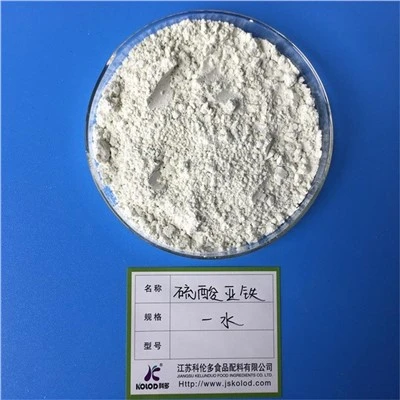
In conclusion, magnesium sulfate can be an effective treatment for magnesium deficiency, but its effectiveness depends on the route of administration and the severity of the deficiency. Oral magnesium sulfate is a convenient option for mild to moderate deficiency, while IV magnesium sulfate is used for severe cases. Topical magnesium sulfate can be used for localized treatment and relaxation. However, it is important to be aware of the potential side effects and interactions of magnesium sulfate and to consult with a healthcare provider before starting any treatment.
Potassium Bicarbonate As a supplier of magnesium sulfate, I am committed to providing high-quality products that meet the needs of our customers. If you are interested in purchasing magnesium sulfate for the treatment of magnesium deficiency or other applications, please feel free to contact me for more information and to discuss your specific requirements. We can work together to find the best solution for your needs.
References
- Rude RK, Gruber HE. Magnesium deficiency and osteoporosis. Curr Osteoporos Rep. 2009;7(3):101-107.
- Shils ME, Olson JA, Shike M, Ross AC, eds. Modern Nutrition in Health and Disease. 10th ed. Philadelphia, PA: Lippincott Williams & Wilkins; 2006.
- Whang R, Ryder KW, Whang DD. Magnesium homeostasis and clinical implications. Am J Ther. 2002;9(6):439-452.
Jiangsu Kolod Food Ingredients Co., Ltd.
As one of the most professional magnesium sulfate manufacturers and suppliers in China, we’re featured by quality products and good price. Please rest assured to wholesale bulk magnesium sulfate made in China here and get free sample from our factory. Customized orders are welcome.
Address: South Side of Weier Road, Guanyun Development Zone, Lianyungang City, Jiangsu Province, China
E-mail: sales1399@jskolod.com
WebSite: https://www.kolod-group.com/
