Hey there! I’m a supplier of Limit Expansion Joints, and today I wanna chat about the thermal insulation properties of these nifty devices. So, let’s dive right in! Limit Expansion Joint

What’s the Deal with Thermal Insulation?
First off, let’s understand why thermal insulation matters in the context of Limit Expansion Joints. In a lot of industrial setups, there are pipes and systems that carry fluids at different temperatures. Whether it’s hot water, steam, or some other high – temperature substance, keeping that heat in place is crucial.
Thermal insulation helps in reducing heat transfer. When you’ve got a pipe system with Limit Expansion Joints, without proper insulation, you’re looking at a significant amount of heat loss. This not only means wasted energy but also can cause problems like condensation on the outside of the pipes, which can lead to corrosion over time.
How Limit Expansion Joints Work with Thermal Insulation
Limit Expansion Joints, as the name suggests, are designed to handle the expansion and contraction of pipes due to temperature changes. But they also have a role to play in thermal insulation. These joints are usually made up of several components, and each part can contribute to the overall insulation performance.
The bellows in a Limit Expansion Joint, for example, are often made of metal. But they can be lined with insulating materials. This lining acts as a barrier to heat transfer, preventing the hot fluid inside the pipe from easily transferring its heat to the outside environment. The metal of the bellows itself also has a certain level of thermal resistance, but the addition of an insulating lining can significantly boost its insulation properties.
Then there are the flanges and end connections. These areas need to be well – sealed to prevent heat leakage. Special gaskets can be used that have good thermal insulation properties. These gaskets fit snugly between the flanges and the pipe, creating a tight seal that stops the heat from escaping through the connections.
Another aspect is the cover or casing of the Limit Expansion Joint. Some joints come with an outer cover that’s made of insulating materials. This cover not only protects the internal components of the joint but also adds an extra layer of thermal insulation. It can shield the joint from the surrounding environment, reducing the impact of external temperature variations.
Factors Affecting Thermal Insulation of Limit Expansion Joints
There are a few factors that can impact how well a Limit Expansion Joint insulates heat. One of the main factors is the type of insulating material used. Different materials have different thermal conductivities. For example, fiberglass is a commonly used insulating material in many industrial applications. It has relatively low thermal conductivity, which means it’s good at reducing heat transfer. Mineral wool is another option. It’s also known for its good insulation properties and can withstand high temperatures.
The thickness of the insulating layer also matters. Generally, the thicker the insulating material, the lower the heat transfer. However, there are practical limitations to how thick you can make the insulation. You’ve got to consider factors like the available space in the installation area and the weight of the joint.
The installation quality is crucial too. Even the best – designed Limit Expansion Joint with top – notch insulation materials won’t work well if it’s not installed correctly. If there are gaps in the insulation or if the joint is not properly aligned, heat can escape more easily. So, it’s always a good idea to have experienced installers handle the job.
Benefits of Good Thermal Insulation in Limit Expansion Joints
Having good thermal insulation in Limit Expansion Joints brings a bunch of benefits. First and foremost, it saves energy. When less heat is lost from the pipe system, the equipment that’s heating the fluid doesn’t have to work as hard. This can lead to significant cost savings over time, especially in large – scale industrial operations.
It also helps in maintaining a stable temperature within the pipe. In processes where temperature control is critical, like in some chemical reactions or food processing, proper thermal insulation ensures that the temperature of the fluid remains consistent. This can improve the quality and efficiency of the overall process.
From a safety perspective, reduced heat loss means that the outer surface of the pipes and joints stays cooler. This reduces the risk of burns for workers who might come into contact with the pipes. It also minimizes the chances of fire hazards in areas where there are flammable materials nearby.
Real – World Applications
Let’s look at some real – world applications where the thermal insulation properties of Limit Expansion Joints are super important. In power plants, steam pipes are used to transfer high – temperature steam from the boilers to the turbines. Limit Expansion Joints with good thermal insulation help in reducing the heat loss during this transfer. This not only improves the efficiency of the power generation process but also extends the lifespan of the pipes and joints by reducing thermal stress.
In the oil and gas industry, pipelines carry hot oil or gas over long distances. The thermal insulation of Limit Expansion Joints in these pipelines helps in maintaining the fluid’s temperature, which is crucial for its flow properties. It also protects the environment by reducing the amount of energy that would otherwise be wasted.
In the HVAC (Heating, Ventilation, and Air Conditioning) systems, Limit Expansion Joints with proper insulation ensure that the hot or cold air is transferred efficiently through the ductwork. This helps in maintaining a comfortable indoor temperature and reduces the energy consumption of the HVAC system.
Maintenance and Inspection
To keep the thermal insulation properties of Limit Expansion Joints in top shape, regular maintenance and inspection are necessary. You should check the insulating materials for any signs of damage, like cracks or wear. If any damage is found, it’s important to repair or replace the insulation as soon as possible.
The seals and gaskets also need to be inspected regularly. Over time, they can degrade due to temperature changes and chemical exposure. Replacing worn – out gaskets promptly can prevent heat leakage and ensure the continued performance of the joint.
It’s also a good idea to check the alignment of the joint. Misaligned joints can cause stress on the insulation and lead to premature failure. If you notice any misalignment during an inspection, it should be corrected right away.
Wrapping Up and Reaching Out
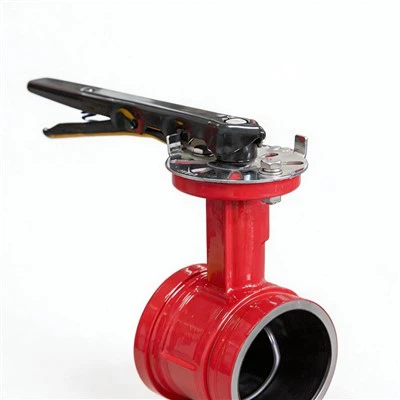
So, there you have it! The thermal insulation properties of Limit Expansion Joints are pretty important in a variety of industrial applications. From saving energy to improving safety and process efficiency, these joints play a crucial role.
Nut If you’re in the market for Limit Expansion Joints and want high – quality products with excellent thermal insulation properties, I’d love to chat. We’ve got a wide range of options to suit different needs and applications. Whether you’re working on a small – scale project or a large – scale industrial installation, we can provide the right solution for you. Just reach out, and let’s start talking about how we can make your project more efficient and cost – effective.
References
- "Industrial Piping Handbook" – A comprehensive guide on piping systems and their components, including information on thermal insulation.
- "Thermal Insulation Materials: Properties and Applications" – A research paper that delves into the different types of insulating materials and their performance in various settings.
Shanxi Yuanhang Machinery Construction Industry and Trade Co., Ltd.
We’re well-known as one of the most experienced limit expansion joint manufacturers in China. With a professional production team, we are able to meet the needs of the majority of our customers. Welcome to buy discount limit expansion joint in stock here from our factory. Contact us for pricelist and free sample.
Address: Taiyuan City, Shanxi Province
E-mail: anzhiyuan@yhmadeinprc.com.cn
WebSite: https://www.yhmadeinprc.com/
