Hey there! I’m a supplier of Resin Figurines & Sculptures, and today I’m super excited to spill the beans on what materials we use to craft these amazing pieces. Resin Figurines & Sculptures
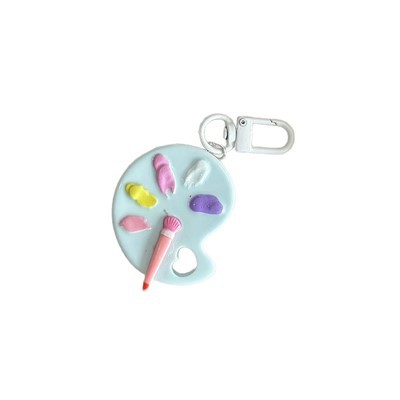
Let’s start with the star of the show – resin itself. Resin is a synthetic material that comes in different types, but the most common ones for making figurines and sculptures are epoxy resin and polyester resin.
Epoxy resin is like the superhero of the resin world. It’s known for its incredible strength and durability. When it cures, it forms a really hard and glossy surface that looks just amazing. It’s also resistant to water, chemicals, and scratches, which is perfect for figurines that might get a bit of rough handling or be displayed in different environments. One of the great things about epoxy resin is its low shrinkage rate. This means that when the resin goes from a liquid to a solid state, it doesn’t shrink much, so the final shape of our figurines and sculptures stays true to the original mold.
Polyester resin, on the other hand, is a bit more budget – friendly. It’s also quite easy to work with. It has a faster curing time compared to epoxy resin, which is great when we need to produce a large number of pieces in a short period. However, it’s not as strong or durable as epoxy resin, and it can be a bit more brittle. But for some of our more decorative and less – handled sculptures, it works just fine.
Now, along with the resin, we use various additives to achieve different effects. For example, pigments are a key additive. We use them to give our figurines and sculptures color. Pigments can be either powder or liquid form. Powder pigments are more concentrated and can be mixed with the resin to create custom colors. Liquid pigments are a bit easier to work with as they disperse more evenly in the resin. We can create all sorts of colors, from bright and vivid Reds to subtle Pastels.
Another important additive is the hardener. Without it, the resin would never turn from a liquid into a solid. The hardener reacts with the resin and starts a chemical process called curing. Different types of resin require different hardeners, and the ratio of resin to hardener is crucial. If we use too much or too little hardener, the resin might not cure properly, and our figurines could end up soft or sticky.
We also use fillers sometimes. Fillers are substances that we add to the resin to change its properties. For instance, if we want to make a sculpture more lightweight, we can add a lightweight filler like microspheres. These are tiny, hollow balls that reduce the density of the resin mixture. On the other hand, if we need a stronger and more dense resin, we can use a mineral – based filler like calcium carbonate.
When it comes to the molds, we use different materials here too. Silicone is a popular choice for making molds. It’s flexible, which means we can easily remove the cured resin figurines and sculptures from the mold without damaging them. Silicone molds can also capture very fine details, so our pieces have that high – quality, realistic look.
We also use plaster molds for some of our larger sculptures. Plaster is relatively inexpensive and easy to work with. It can be used to create large – scale molds, but it’s not as durable as silicone. It can crack or break over time, especially if it’s used repeatedly.
Now, let’s talk about some of the finishing materials we use. Once the resin figurines and sculptures are cured and removed from the molds, we often give them a coat of varnish. Varnish not only adds a nice shine but also protects the surface of the resin from dust, dirt, and minor scratches. There are different types of varnishes available, like gloss varnish for a really shiny look and matte varnish for a more subdued finish.
Sometimes, we use paint to add more details to our pieces. Acrylic paint is a great option as it adheres well to the resin surface and comes in a wide range of colors. We can use it to paint on things like facial features for our figurines or to add texture and highlights to our sculptures.
We’re always on the lookout for new and innovative materials to improve our products. For example, we’re thinking about using biodegradable resins in the future. As more and more people are becoming environmentally conscious, we want to make sure that our products are as eco – friendly as possible.
In conclusion, making resin figurines and sculptures is a complex process that involves a variety of materials. Each material plays a crucial role in determining the final look, feel, and quality of our products. Whether it’s the type of resin we use, the additives we add, the molds we make, or the finishing materials we apply, every step is carefully considered to create the best – looking and most durable pieces.

If you’re interested in our resin figurines and sculptures, or if you have any questions about the materials we use or want to discuss a custom order, don’t hesitate to reach out. We’d love to have a chat with you and see how we can meet your needs.
Resin Charms References:
- "Resin Crafting Basics" by Crafty Resin Guides
- "Materials for Mold – Making" by Sculpture Supply Magazine
- "The Chemistry of Resins" by Industrial Chemistry Journal
Shengzhou Shengteng Accessories Co., Ltd.
Address: Room 701, Building 23, Wanyang Innovation City, No. 368 Kaiya Road, Changle Town, Shengzhou City, Shaoxing City, Zhejiang Province
E-mail: 15869252296@163.com
WebSite: https://www.shengtengjewelry.com/
