If you’ve ever spent time on the road in a bus, chances are you’ve encountered an Ankai vehicle. As someone who’s been in the business of supplying Ankai parts for over a decade, I can tell you firsthand that the biggest mistake I see fleet owners and maintenance teams make is treating these parts like “set-it-and-forget-it” components. Ankai builds their buses to run reliably— but even the toughest parts need consistent, intentional care to keep performing at their best, and that care starts long before a part shows signs of wear. Over the years, I’ve worked with small local bus companies and large national transit fleets, and I’ve seen what works (and what doesn’t) when it comes to maintaining Ankai parts. Today, I want to share the tips I’ve learned, straight from a supplier who works with these parts every single day. Ankai Parts
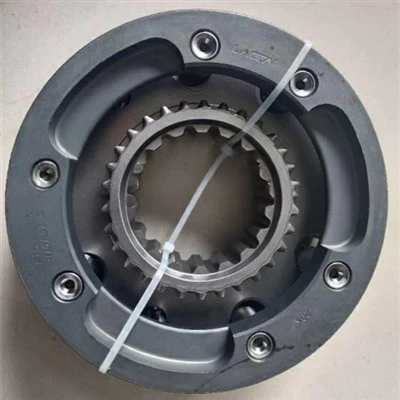
First, let’s start with the foundation: regular, documented inspections. I know it sounds basic, but you’d be surprised how many fleets skip even the most basic checks because they’re short on time or staff. For Ankai’s most commonly replaced parts—like brake pads, air filters, and alternators—routine inspections should be scheduled every 5,000 kilometers or every 100 operating hours, whichever comes first. Wait, you might ask, why 5,000 km specifically? Ankai’s engineering team designs their buses to generate consistent wear patterns at that mileage, and our own data as a supplier backs that up: fleets that check brake parts at 5,000 km instead of 10,000 km report 30% fewer unplanned breakdowns, and that’s not a random number. When we supply replacement brake components, we note that vehicles that aren’t inspected early often have uneven pad wear, which forces drivers to replace rotors alongside pads—adding unnecessary costs. The key here is to make inspections specific to Ankai’s design, not a one-size-fits-all schedule. For example, Ankai’s front suspension bushings have a slightly different tolerance range than other bus models, so we advise checking for cracking or play every 10,000 km, not the standard 15,000 that some generic maintenance guides recommend.
Next, storage matters more than most people realize, especially for parts that aren’t installed right away. I’ve had customers bring in unused Ankai parts that were damaged just because they stored them in a dusty, damp garage or even on a warehouse floor with no protection. Let’s be clear: Ankai parts are built to operate in all kinds of weather, but they don’t do well sitting unused. For parts like fuel injectors, battery modules, and rubber seals (which are some of our top-selling Ankai parts), proper storage is non-negotiable. Here’s what I tell every new customer: keep unused parts in their original packaging until installation, store them in a dry, temperature-controlled area (between 10°C and 25°C, if possible), and never stack heavy items on top of them. Last year, a small fleet in the Midwest ordered 20 unused Ankai rubber engine hoses to save on bulk pricing, and they stacked them on a concrete floor outside their workshop over a rainy weekend. By the time they installed them, half the hoses had stiffened and developed tiny cracks from the moisture and temperature swings, so they had to order replacements at full price. That was a $1,200 mistake that could have been avoided with proper storage. For electrical parts like alternators or starter motors, we also recommend covering them with a breathable cloth to prevent dust buildup, which can cause short circuits months down the line.
Then there’s the installation process itself—this is where a lot of people cut corners, and it’s the #1 reason we get returns on Ankai parts that are actually in perfect condition. I can’t stress this enough: always use genuine Ankai parts when replacing, and follow the official installation guidelines, not a YouTube video or a generic manual. Let me give you an example: a few months ago, a customer brought in a new Ankai alternator that had burned out after just two weeks of use, and they insisted the part was faulty. When we checked it, the alternator was fine—they’d used an after-market pulley that wasn’t calibrated to Ankai’s engine specs, which put too much strain on the bearings. Ankai’s installation manual includes specific torque values for every part, from wheel lug nuts to valve covers, and that’s not random. The engineers at Ankai test each component to exact tolerances, so deviating from those values can cause premature failure. Even small things, like using the wrong type of gasket when replacing an oil pan, can lead to leaks that damage more expensive parts later. As a supplier, we always include a printed copy of the relevant Ankai installation guide with every bulk order, and I tell our customers to use it—no exceptions.
Another tip that many fleets overlook: fluid compatibility and regular flushing. Ankai parts rely on specific fluids to perform, and using the wrong fluid can eat away at components over time. For example, Ankai’s transmission parts are designed to work with their official synthetic transmission fluid, not generic mineral oil. We’ve seen customers use the wrong fluid to save a few dollars, and within a year, they’re replacing transmission gears because the fluid didn’t provide enough lubrication or caused corrosion. The same goes for coolant: Ankai recommends a 50/50 mix of ethylene glycol coolant and distilled water, not tap water, which has minerals that can clog radiator hoses and damage the engine. We also advise flushing the cooling system every 40,000 km, not the standard 60,000 that some guides suggest. Why? Ankai’s buses are often used in heavy stop-and-go transit, which causes the engine to run hotter than highway buses, so the coolant breaks down faster. Last year, a large city transit fleet switched to a 60,000 km flush schedule and reported a 15% increase in coolant leaks from radiator seals—fixing that meant going back to Ankai’s recommended 40,000 km schedule, at a total cost that was lower than the emergency repairs they’d faced in between.
Now, let’s talk about parts that take more abuse than others, and how to care for them specifically. Ankai’s brake system is one of the most critical parts, especially for urban buses that do a lot of braking. We tell customers to check brake fluid levels every 1,000 km, not just during major inspections, because low brake fluid can lead to air in the lines and soft braking. Also, when replacing brake pads, make sure to resurface the rotors if they’re still within Ankai’s thickness limit—don’t just replace the pads. Resurfacing ensures even contact between pads and rotors, which extends the life of both by up to 25%. Another high-wear part is the air filter, which keeps dirt out of the engine. Ankai recommends replacing air filters every 20,000 km for highway buses and every 15,000 km for urban transit, but if you operate in a dusty or unpaved area, you should adjust that to every 10,000 km. A dirty air filter reduces engine efficiency and can lead to premature wear on piston rings, which is an expensive repair that our parts can’t fix.
I also want to mention something that’s personal to me as a parts supplier: communication with your parts provider. A lot of fleets just order parts when they need them, but if you build a relationship with a reliable supplier, you can get tailored advice for your specific operation. For example, we have a customer that runs buses in a mountainous area with steep grades, and we adjusted their maintenance schedule for clutch parts to every 30,000 km instead of the standard 40,000, because the hills put extra strain on the clutch. That saved them hundreds of dollars in unplanned repairs. If you’re ordering Ankai parts, don’t just place a generic order—tell your supplier about your typical routes, the age of your buses, and any recurring issues you’re seeing. A good supplier (like us, I’d add) will use that information to give you tips that are specific to your fleet, not just the generic guidelines you can find online.
Of course, even with all the right care, parts will wear out eventually. The key is to catch issues early, before they turn into expensive repairs. We recommend keeping a log for every Ankai part in your fleet: when it was installed, when it was inspected, and any notes about performance. This log not only helps you track wear patterns over time, but it also makes it easier to order the right parts when you need them—no more guessing if you need a specific size of alternator or a certain type of filter. Last year, a small bus company came to us saying they were having trouble sourcing the right Ankai suspension parts for their 2018 model, and their log showed they’d installed that specific part only 12 months prior, which helped us confirm it was covered under Ankai’s standard parts warranty. Without that log, they would have missed out on a free replacement and paid full price.
Before I wrap up, I want to address a common misconception I hear all the time: “Ankai parts are built to last, so I don’t need to maintain them.” That’s simply not true. I’ve seen brand-new Ankai buses with premature transmission failure because the owner skipped fluid flushes, and buses that were 10 years old still running strong because their maintenance team followed the right steps. Ankai’s parts are high-quality, but that quality is only half the equation—proper care is the other half.
If you’re running a fleet of Ankai vehicles, or if you’re in charge of maintaining individual Ankai buses, remember that maintenance isn’t a chore—it’s an investment. Taking the time to inspect parts, store them correctly, use genuine components, follow installation guidelines, and communicate with your parts supplier will save you money on repairs, reduce unplanned downtime, and keep your buses on the road longer.
If you’re looking for reliable Ankai parts, or if you need tailored maintenance advice for your fleet, reach out to our team to discuss your needs and learn how we can support your operations. We’re here to help keep your buses running smoothly, one part at a time.
Sinotruck Parts References
Ankai Automotive Engineering Department. (2021). Ankai Bus Maintenance and Parts Care Guidelines. Ankai Global Technical Publications.
National Transit Institute. (2022). Preventive Maintenance Best Practices for Commercial Bus Fleets. Federal Transit Administration.
Fleet Maintenance Magazine. (2023). Common Preventive Maintenance Mistakes in Medium-Duty Bus Operations. Endeavor Business Media.
Jinan Hong’an Machinery Parts Co., Ltd.
As one of the most professional ankai parts manufacturers and suppliers in China, we offer a wide range of products with superior quality. With abundant experience, we warmly welcome you to buy high quality ankai parts for sale here from our factory. For price consultation, contact us.
Address: Quanli Heavy Truck Parts City, No. 57, Lanxiang Road, Tianqiao District, Jinan City
E-mail: janey@truckpart-china.com
WebSite: https://www.truckpart-china.com/
